
 By
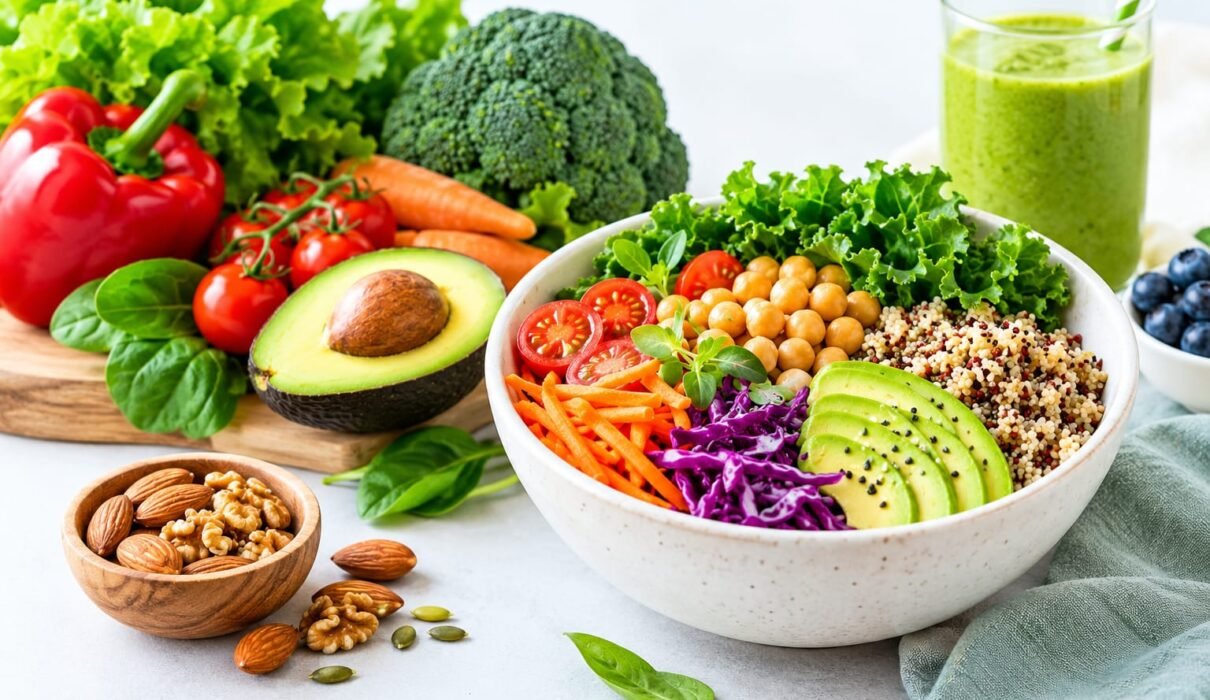
A vegan diet is more than simply removing meat and dairy from your meals. It is a way of eating that focuses on delicious plant-based foods such as vegetables, fruits, beans, lentils, whole grains, nuts, seeds, and plant-based alternatives.
Whether you are thinking about becoming vegan, want to eat more plant-based meals, or simply want to discover healthier food choices, a vegan diet can be an exciting journey. With the right balance of foods, it can provide plenty of nutrients while giving you countless delicious meals to enjoy.
In this guide, we will explore 10 powerful benefits of a vegan diet and share practical tips to help you get started.
1. Supports a Healthy Heart
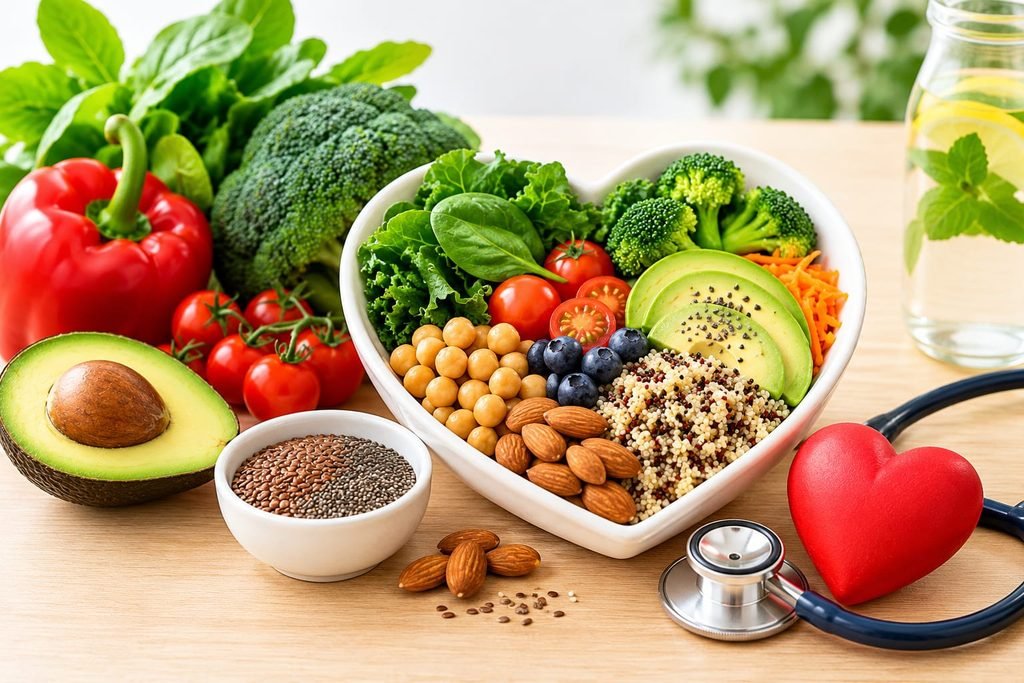
A well-planned vegan diet can be rich in vegetables, fruits, whole grains, beans, nuts, and seeds.
These foods provide fiber and other nutrients that can support overall heart health.
Replacing foods high in saturated fat with nutritious plant-based choices
can also be a positive step toward a heart-friendly eating pattern.
2. Helps Increase Your Fruit and Vegetable Intake
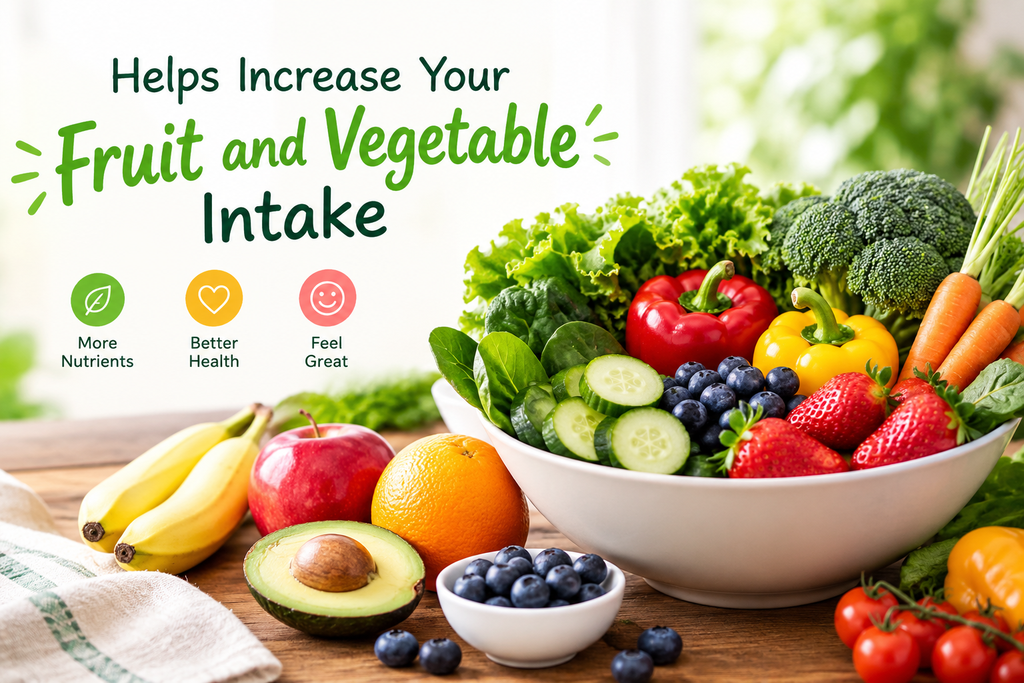
One of the easiest benefits of eating vegan is that it encourages you to explore more fruits and vegetables.
From colorful salads and roasted vegetables to fresh smoothies and fruit bowls,
plant-based eating gives you countless opportunities to add variety to your meals.
Eating a wide range of colorful plants also makes your meals more interesting and enjoyable.
3. Provides Plenty of Dietary Fiber
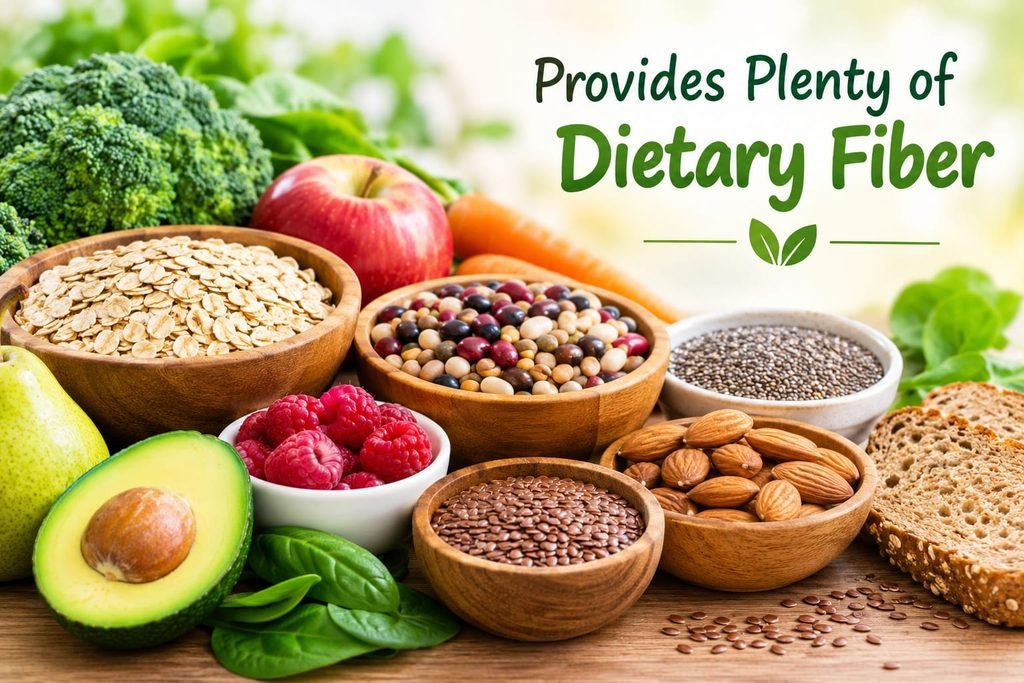
Beans, lentils, vegetables, fruits, oats, whole grains, nuts, and seeds are excellent sources of dietary fiber.
Fiber is important for healthy digestion and can help you feel satisfied after meals.
Adding more fiber-rich foods to your diet can be a simple way to improve the overall quality of your meals.
4. Can Support Healthy Weight Management
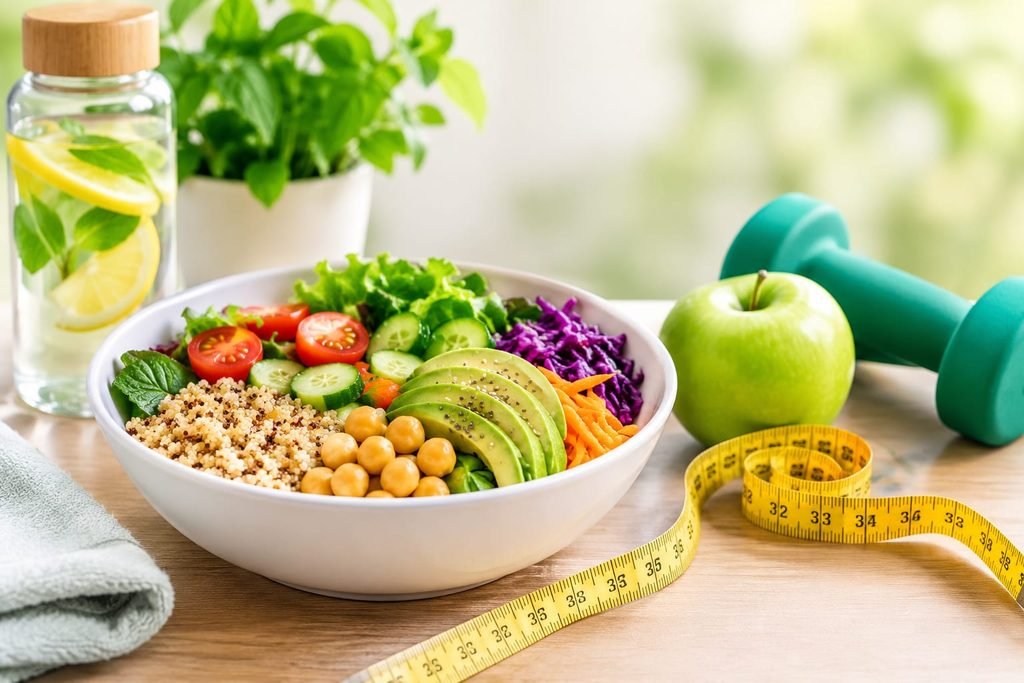
Many plant foods are naturally nutrient-dense and can be incorporated into balanced meals without relying heavily on highly processed ingredients.
Meals built around vegetables, legumes, whole grains, fruits, nuts, and seeds can be filling and satisfying.
However, a vegan diet is not automatically healthy or low in calories, so choosing nutritious foods and appropriate portions is still important.
5. Encourages More Whole Foods
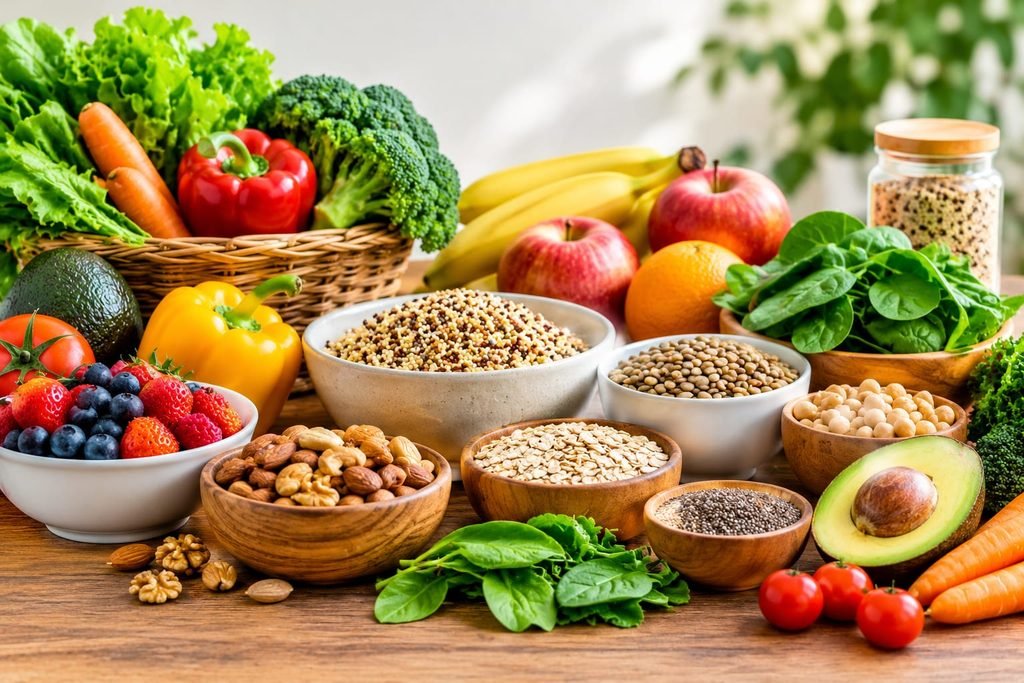
Following a vegan diet can encourage you to experiment with foods you may not normally eat.
You might discover quinoa, chickpeas, lentils, tofu, tempeh, chia seeds, nutritional yeast, or new varieties of vegetables.
The more whole plant foods you include, the more opportunities you have to create nutritious and flavorful meals.
6. Supports Better Meal Variety
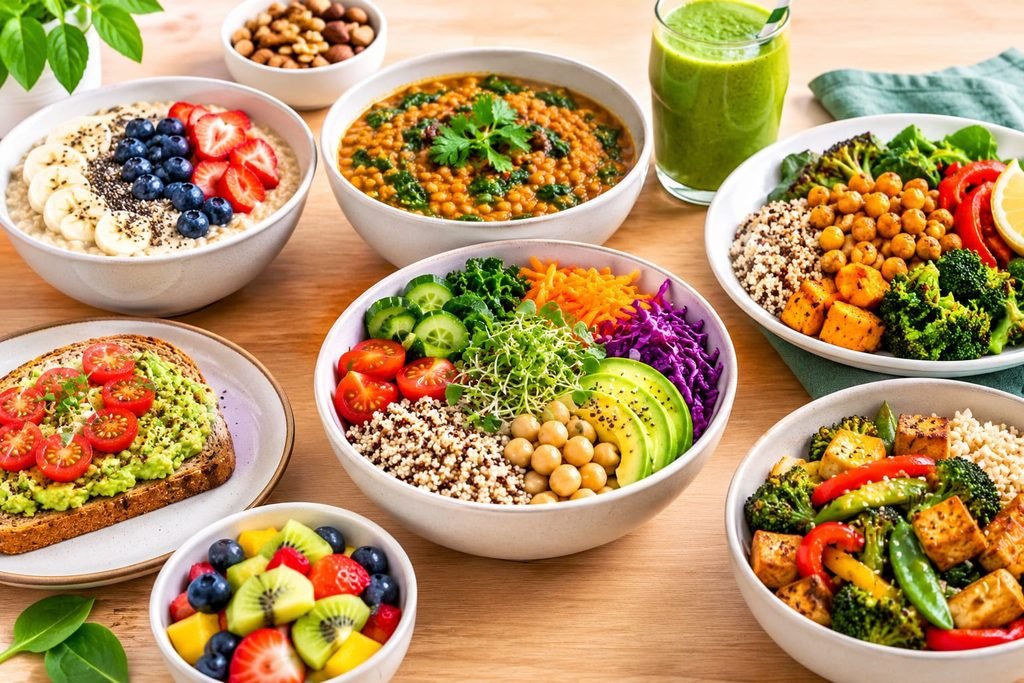
Going vegan does not mean eating the same salad every day.
You can enjoy vegan tacos, lentil soups, tofu stir-fries, vegetable curries, bean burritos,
overnight oats, smoothies, pasta dishes, and homemade veggie burgers.
Exploring different cuisines can make a vegan lifestyle exciting rather than restrictive.
7. May Help Support Healthy Blood Sugar Levels
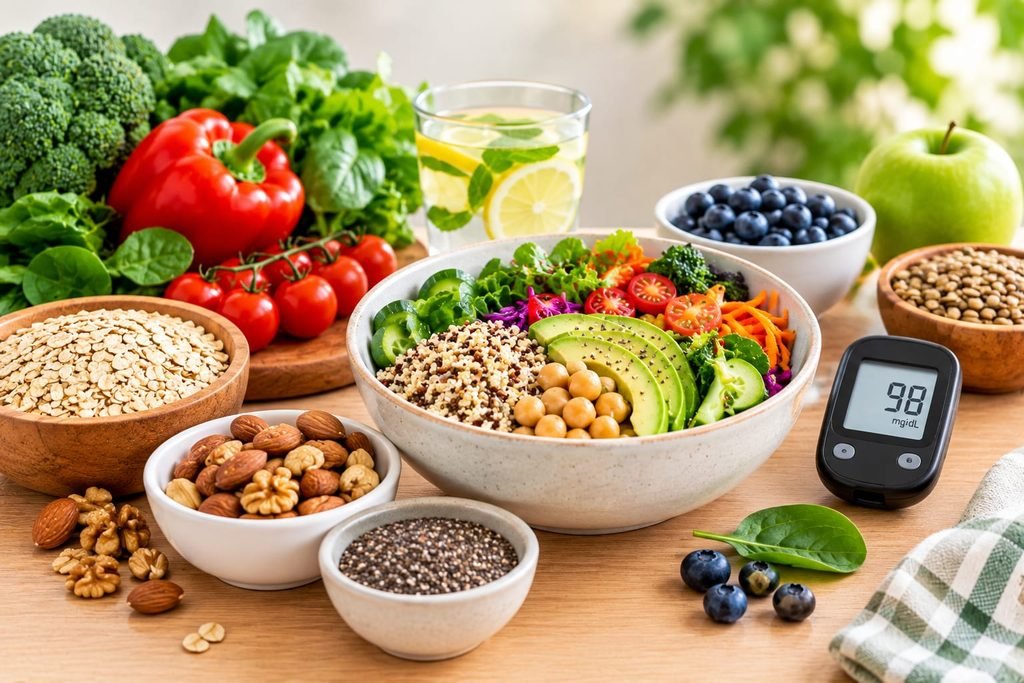
Beans, lentils, whole grains, vegetables, and other high-fiber plant food
can be part of a balanced eating pattern that supports healthy blood sugar management.
Instead of focusing on one food or ingredient, aim to build meals that combine fiber-rich
carbohydrates with plant-based protein and healthy fats.
8. Gives You More Plant-Based Protein Options
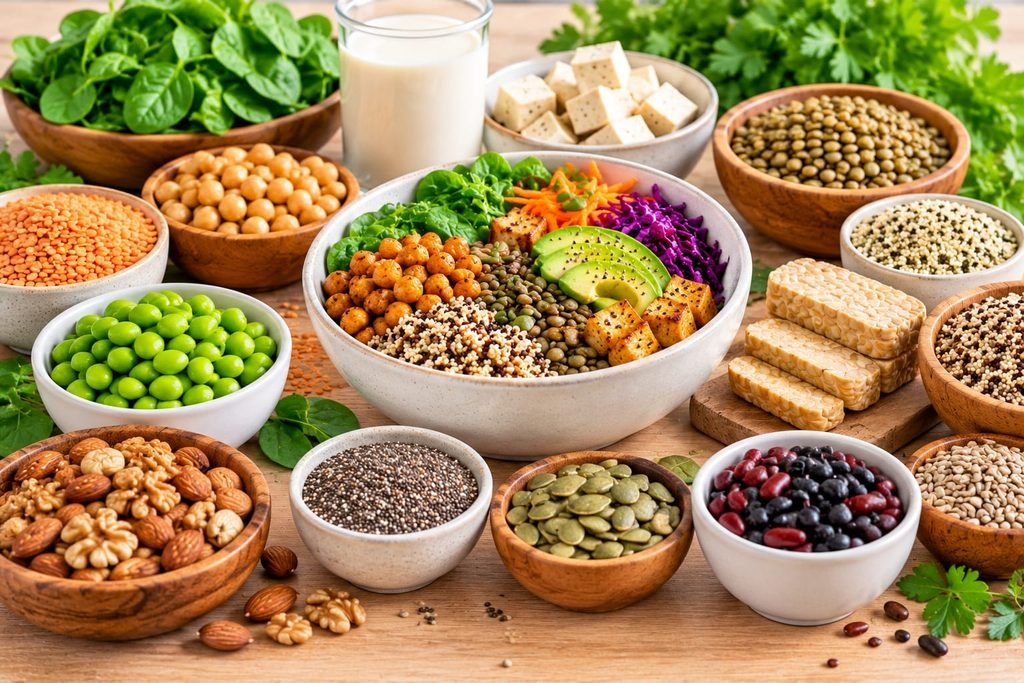
Protein is an important part of any diet, and vegans have many plant-based protein choices.
Some options include lentils, chickpeas, black beans, kidney beans, tofu,
tempeh, peas, nuts, seeds, and certain whole grains.
Including a variety of these foods throughout the day can help you meet your nutritional needs.
9. Can Encourage More Mindful Eating
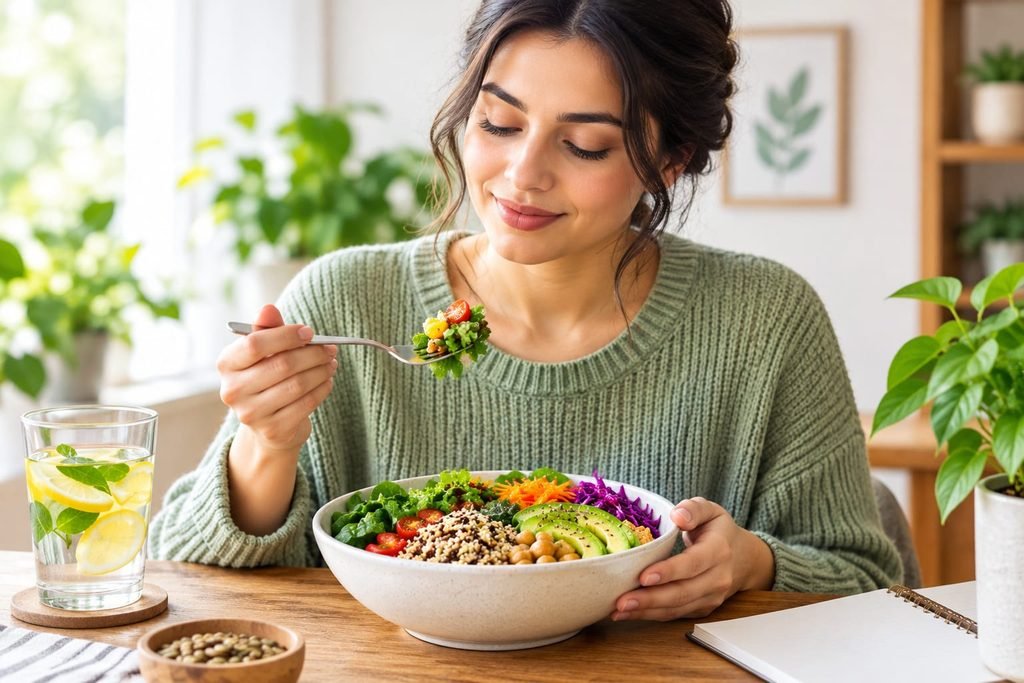
Preparing vegan meals often encourages people to pay closer attention to ingredients and cooking methods.
You may begin reading food labels, preparing more meals at home,
trying new ingredients, and thinking about how different foods make you feel.
This can turn eating into a more enjoyable and intentional experience.
10. Can Be a Delicious Way to Eat More Plants
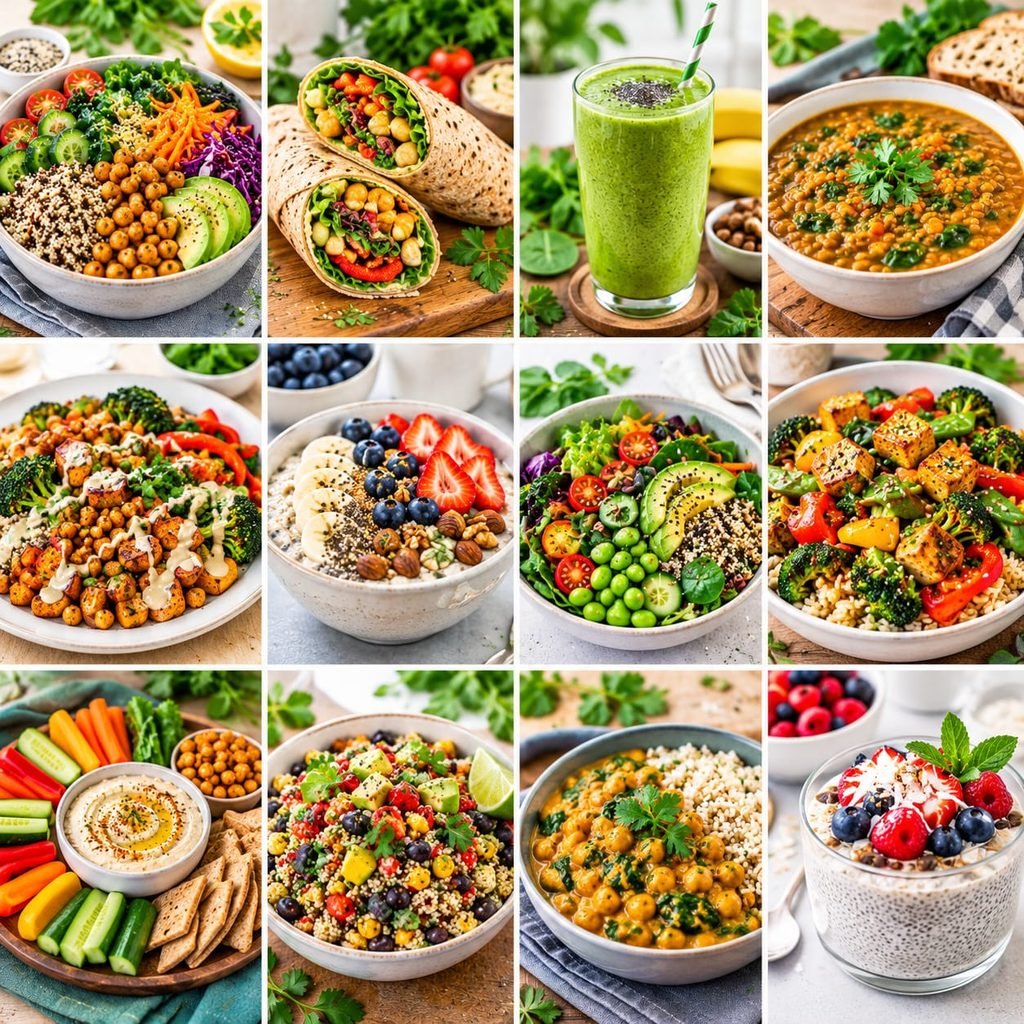
Perhaps one of the best things about a vegan diet is the variety of flavors available.
Fresh herbs, spices, roasted vegetables, creamy avocado, crunchy nuts,
flavorful beans, fresh fruits, and homemade sauces can turn simple ingredients into satisfying meals.
Eating more plants does not have to mean giving up delicious food.
How to Get Started With a Vegan Diet
If you are new to vegan eating, you do not have to change everything overnight.
Start by adding more plant-based meals to your week.
Try a vegan breakfast such as overnight oats or banana pancakes. For lunch,
you could make an avocado toast or chickpea salad. For dinner, try a tofu stir-fry, lentil curry, or vegan burrito.
Focus on adding nutritious foods rather than simply thinking about what you need to remove.
It is also important to pay attention to nutrients that can require extra planning on a vegan diet,
particularly vitamin B12. Depending on your individual diet, fortified foods or supplements may be appropriate.
If you have specific health or nutritional concerns, speak with a qualified healthcare professional or registered dietitian.
Final Thoughts
A well-planned vegan diet can be colorful, satisfying, nutritious, and full of variety.
From vegetables and fruits to beans, lentils, whole grains, nuts, and seeds, there are countless ingredients to discover.
The key is balance. Focus on a variety of whole plant foods, include reliable sources of protein,
choose fortified foods when appropriate, and make meals that you genuinely enjoy.
Going vegan is not about making every meal perfect.
It is about discovering new foods, creating healthier habits, and finding a way of eating that works for you.
Start with one plant-based meal, experiment with new recipes, and enjoy the journey.